A Decentralized, Digital, and Doctor-Friendly NMC: Why This Election Matters
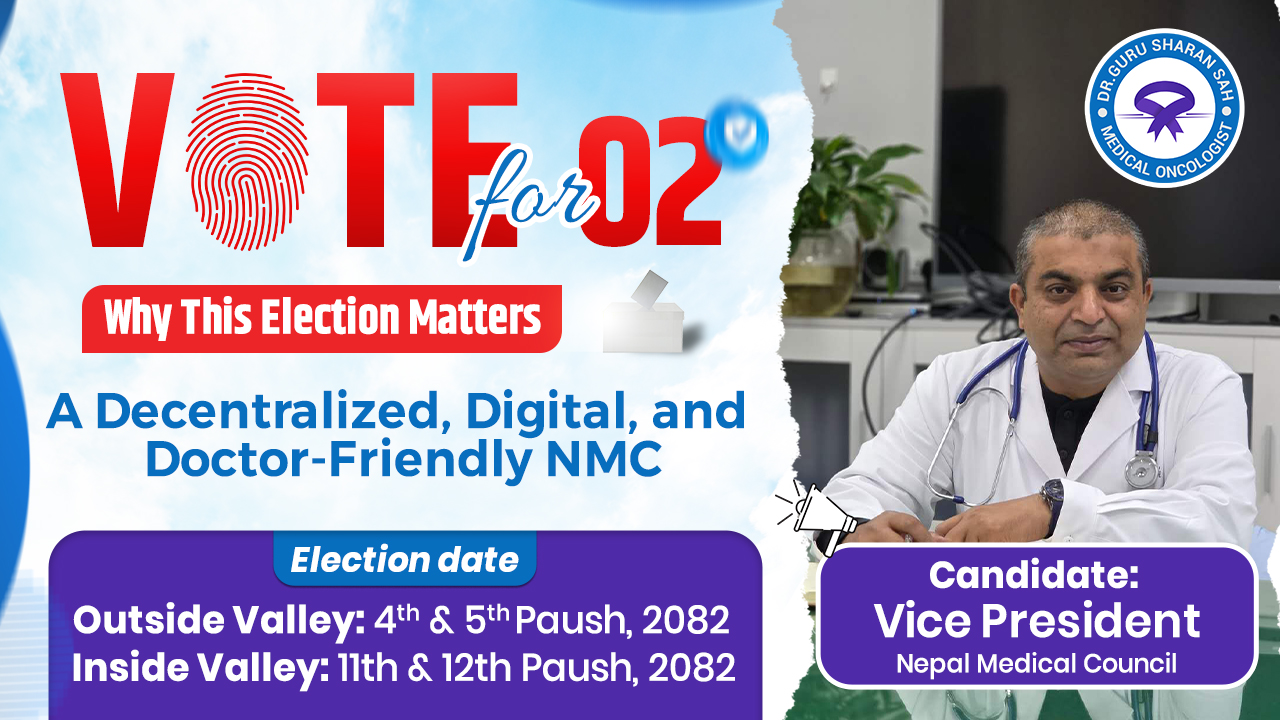
NMC Election

The upcoming Nepal Medical Council (NMC) election is more than a vote, it’s a defining moment for the future of Nepal’s medical system. At a time when doctors are seeking faster services, fair evaluation, dignified professional support, and a technologically advanced regulatory body, strong and visionary leadership becomes essential. Among the candidates, one name stands out for a clear, actionable, and transformative roadmap: Dr. Guru Sharan Sah, a candidate known for his commitment to decentralization, digitization, and doctor centric reforms at NMC. Below is an overview of his main commitments and the impactful work already completed during his previous tenure. Key Commitments for the Coming Tenure 1. Decentralization of NMC Services Dr. Sah recognizes that thousands of medical professionals outside the Kathmandu Valley face unnecessary challenges due to centralized processes. To address this, he proposes: License & Specialist Exams in All Provinces No more long-distance travel, financial burden, or overcrowding in Kathmandu. The plan includes: Establishing Regional Exam Centers Equipped with standardized facilities, these centers aim to: This move ensures that medical professionals across the country receive the same opportunities regardless of geography. 2. Full Scale Digital Transformation of NMC NMC’s modernization is long overdue. Dr. Sah aims to create a digital NMC that is fast, transparent, and service-oriented. ➡Improved Verification & Documentation Systems A smarter, quicker authentication process ensures: ➡Direct Integration with Nagarik App This makes NMC documents securely accessible from your smartphone, enhancing: ➡Improve The Present Dedicated Helpline & Support Desk Doctors often struggle with technical or procedural confusion. This initiative promises: ➡Faster Services for Applications & License Updates A priority-driven service model to cut processing time and improve user experience. Completed Works From Previous Tenure As NMC Member Before asking for a renewed mandate, we  have already demonstrated strong performance and accountability. Our earlier tenure delivered several important reforms: 1. Structured Fellowship Program Launched A well-organized fellowship track created to: This initiative has been highly appreciated across the medical community. 2. Support for Medical Students During COVID-19 When the pandemic disrupted education worldwide, we worked to ensure: His responsiveness during the crisis cemented the trust of young medical professionals. 3. Active Role in Medico Legal Case Reforms Medico legal complexities often place doctors at risk. During his term: This has helped protect the dignity and safety of medical practitioners. 4. Contribution to NMC’s Digital and Policy-Level Improvements Beyond direct initiatives, we contributed strategically to: 5.Successfully integrated Continuing Professional Development (CPD) into NMC’s regulatory framework • Supports career growth, with CPD credits strengthening credentials for promotions, fellowships, licensing, and overseas opportunities. • Creates a standardized, fair system where all doctors maintain the same minimum level of continuous learning. • Encourages professional accountability, making lifelong learning a regular part of medical practice. His work reflects deep understanding and commitment exactly what NMC needs today. Why Your Vote Matters For Upcoming NMC Election NMC influences every stage of a doctor’s journey from licensing to professional recognition. The right leadership can make the difference between a slow, outdated, frustrating process and a modern, fair, and supportive council. Dr. Guru Sharan Sah’s vision is simple yet impactful: ✔ Decentralized NMC ✔ Digital NMC ✔ Doctor-Friendly NMC ✔ Fast, Transparent, Service-Oriented System If you believe in an NMC that respects your time, supports your career growth, and embraces technology, your vote can make it happen. Be Part of the Change NMC Election Date Outside Valley: 4 & 5 poush 2082NMC Election Inside Date Valley: 11 & 12 poush 2082 Your vote is your voice.Your leadership choice will define the future of Nepal’s medical governance.
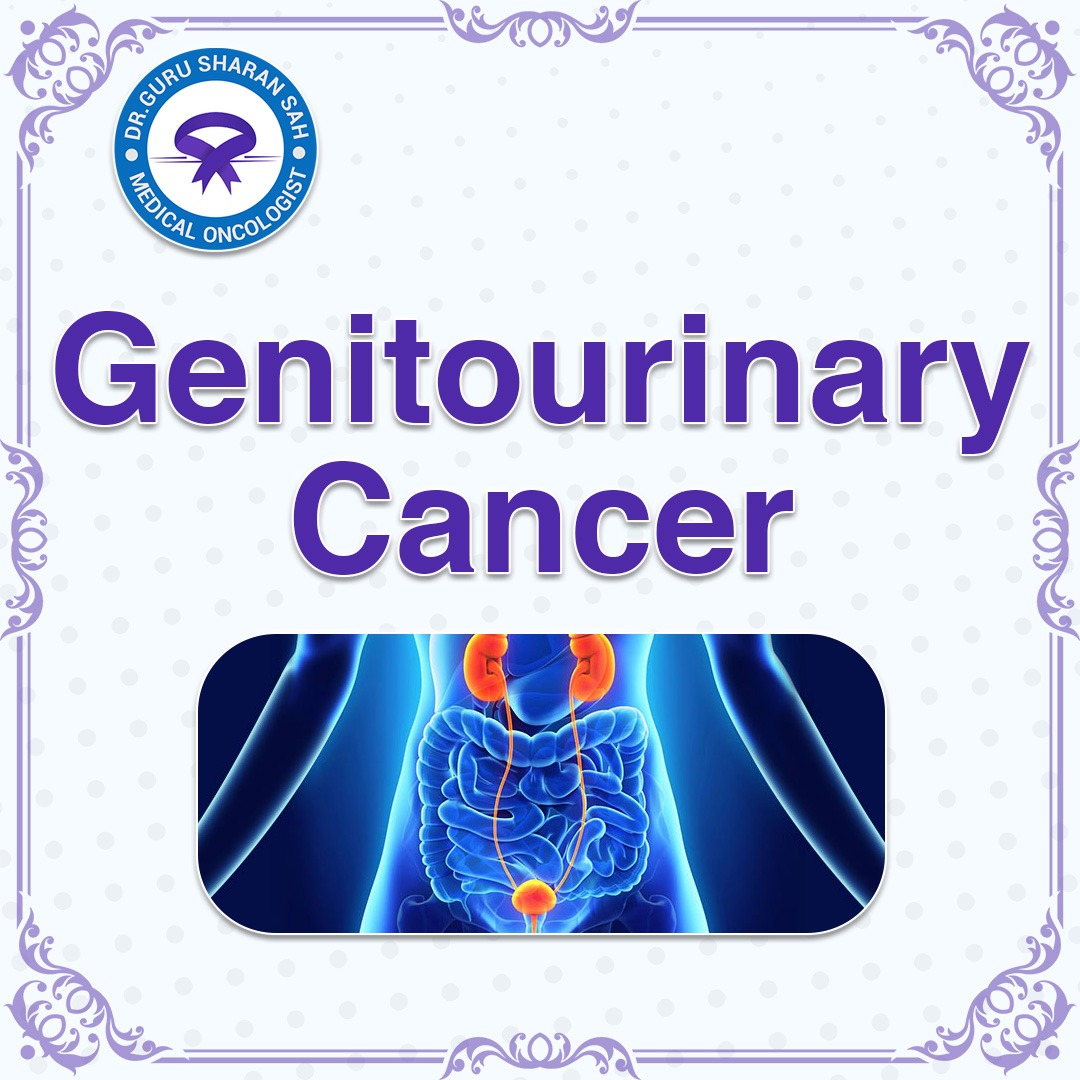
Genitourinary Cancer

Genitourinary Cancer

What is Genitourinary(GU) cancer? Genitourinary cancer is a field of oncology that focuses on cancers that are developed in the male GU tract. The GU tract consists of several organs related to the urinary system, reproductive system, and adrenal glands. Major organs of the urinary system include kidneys, urethra, ureters, bladder. Major organs of the reproductive system are the prostate gland, testicles, penis.  Cancer may happen in any of these organs when a cell grows abnormally and out of control. Some types of Genitourinary cancer are discussed below: According to the symptoms, age, and overall health, the treatment of prostate cancer involves: The main symptom of bladder cancer is blood in the urine, also called hematuria. However, experiencing bloody urine may also be a sign of something less serious like UTI, kidney stones, or some other benign disease. Other early symptoms may be: If cancer is diagnosed in an early stage, treatment strategies consist of surgery which is then followed by chemotherapy inside the bladder (known as intravesical chemotherapy). For later stages of bladder cancer, treatment options include surgery, radiation, and chemotherapy throughout the body or combining these treatments. Penile cancer and Adrenal cancer: These are the least common cancers. Penile cancer brings physical changes to the penis and discharges under the foreskin. Adrenal cancer is diagnosed in two ways – (i) hormonal changes or (ii) pain from a large tumor pushing into nearby organs. FAQ:

Covid-19 And Cancer

Covid-19 And Cancer

COVID-19 and Your Cancer Treatment Since the infection that causes COVID-19 is new, anybody presented to or contaminated by the infection has an opportunity of being wiped out. The vast majority who become ill will have gentle to direct indications. In any case, in the event that you have malignant growth and get COVID-19, your disease can be more genuine. A few groups with malignancy and the individuals who have gotten or are getting sure medicines are more in danger of getting genuinely sick on the off chance that they get COVID-19: These are:  Infection and Your Immune System The insusceptible framework is the body’s protection against microbes, infections, and other unfamiliar living beings or hurtful synthetic substances. The blood and the lymphatic framework are important for the resistant framework. Some types of cancer can affect your immune system. For example, blood cancers such as lymphoma and leukemia. Some cancer treatments also affect the immune system. This includes immunotherapy and chemotherapy treatment. Radiotherapy may sometimes affect your immune system. Most people’s immune systems will recover well after they have finished their treatment. At the point when you have malignant growth, you have a higher possibility of getting diseases. Numerous malignancies change how well your insusceptible framework functions. Sometimes, it’s not the illness, but rather the treatment that influences your guards. Regardless of whether you’re a malignancy survivor, your safe framework actually probably won’t have the option to battle germs as it ought to. Now and again, malignant growths can influence explicit organs like your lungs or kidneys. At the point when your organs aren’t functioning admirably, your body has a harder time battling germs and contaminations How to Protect from cancer and covid-19 At the point when you have malignancy, it’s particularly significant you find ways to remain sound during the Covid pandemic. Here’s how: HOW SHOULD YOU RESPOND IF YOU HAVE covid-19 SYMPTOMS?  Know the side effects of COVID-19 so you can connect in the event that you figure you may be debilitated. Symptoms include: On the off chance that you have malignancy or are having a treatment that influences your insusceptible framework and you experience any indications of contamination including COVID-19 side effects, you should contact: FAQ:

Breast Cancer

Breast Cancer

Breast cancer is a type of cancers that occurs in the breast tissue. It is the most common cancer in women, but it can also occur in men. It typically starts in the cells that line the milk ducts or the lobules (glands that produce milk), and can spread to other parts of the body if not treated. Bosom malignancy is a sort of disease that is created in bosom cells. A bosom is comprised of three principal parts: Breast cancer usually begins either in the ducts or lobules. Cancers may grow and invade tissue around the breast, such as the skin and chest wall, and can travel to the lymph nodes under the arms. It is spread outside the breast through blood vessels and lymph vessels. The lymph hubs are an essential pathway that helps the disease cells move to different pieces of the body. Types of Breast Cancer: Most types of breast cancers are the adenocarcinomas of the breast. Different sorts of bosom disease incorporate sarcoma of the bosom, metaplastic carcinoma, adenocystic carcinoma, phyllodes tumor, and angiosarcoma. It occurs in two broad categories: Causes of breast cancer: The cause of breast cancer is not yet completely understood. It is difficult to say why one female may develop and another may not. However, there are some risk factors that are likely known in developing breast cancer. Some of the risk factors are not under one’s control but some factors can be controlled. Symptoms of breast cancer: Manifestations of bosom disease shift from one individual to another. The main side effect of bosom malignancy that most ladies notice is a bump or a space of thickened tissue in the bosom.Though most breast lumps are not cancerous, it is always best to visit a doctor for a check-up. The other common symptoms or early signs of breast cancer include: Treatments of breast cancers: For the treatment of cancer, there will be a multidisciplinary team (MDT) who work together to provide the best treatment and care, such as surgeons performing operations, medical oncologists treat cancer with medicine, and radiation oncologists treat cancer with radiation.  There are several ways to treat this cancer, which depend on the types and how far it has spread. The patient often gets more than one kind of treatment. The main treatment for breast cancers are: Mastectomy may then be followed by reconstructive surgery (recreating a breast). It may be done at the same time as a mastectomy or may be done later.  Surgery is then followed by:

Lung Cancer

Lung Cancer

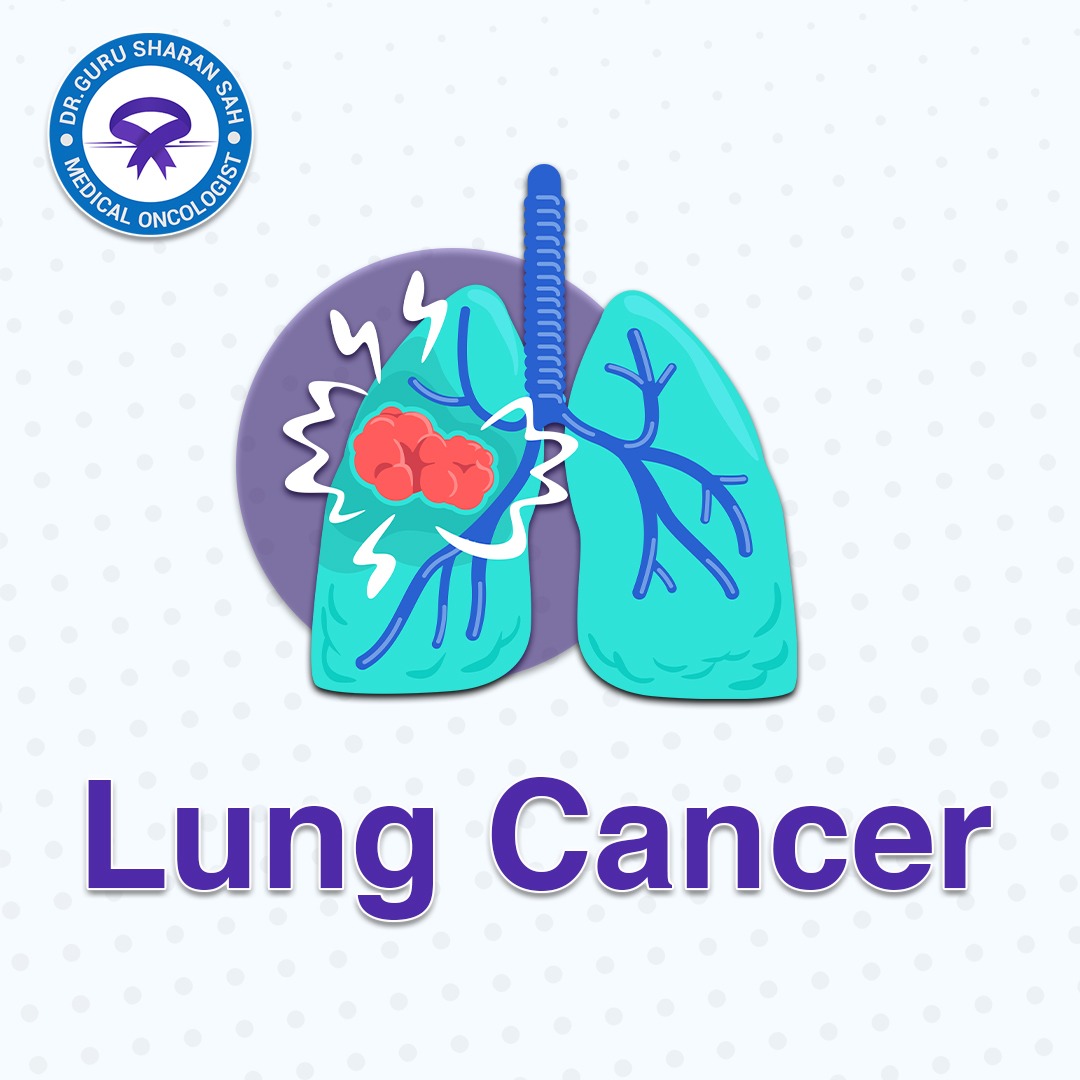
What is lung cancer? One of the most common cancers in the world is called Lung cancer. It is the main cause of cancer-related death in men and women. While smoking cigarettes is by a wide margin the most well-known reason for cellular breakdown in the lungs, hazard factors likewise incorporate a family background of cellular breakdown in the lungs and certain ecological variables. Just like all cancers, it begins at the cellular level and is the result of abnormal cells that reproduce rapidly and out of control. It starts in one area of the body and spreads (or metastasizes) to other organs or the bones. Primary lung cancer refers to those cancers which start in lungs. There are two types of main lung cancers:  ·        Non-small cell lung cancer (NSCLC) and ·        Small cell lung cancer (SCLC). Do Non-smokers get Lung Cancer too? Most of us tend to believe that not smoking a cigarette will ensure us against lung cancer. Unfortunately, this is not true. Non-smokers likewise will in general discount the chance of getting this infection as they accept they don’t run its danger. While the facts demonstrate that smoking tobacco is the main danger factor for cellular breakdown in the lungs, not all individuals who get the illness have smoked. Smokers will in general get a sort of NSCLC called a squamous cell (which represents the greater part of cellular breakdowns in the lungs analyzed in smokers). Most nonsmokers, then again, are determined to have an alternate non-little cell type known as adenocarcinoma.  How is cancer in nonsmokers different from smoker’s cancer? Oncologists are detailing an unmistakable pattern of rising illness frequency among non-smokers. Tumors in non-smokers are extraordinary. Strangely, it has been seen that cellular breakdowns in the lungs in smokers and non-smokers are distinctive on hereditary and atomic levels. Lung adenocarcinomas which are a kind of non-little cell cellular breakdown in the lungs are the most widely recognized sort of diseases found in non-smoking individuals. It regularly begins in the external spaces of the lungs, in bodily fluid delivering cells that line the little aviation routes, called bronchioles. Adenocarcinoma has an unexpected shape in comparison to different kinds of cellular breakdown in the lungs. What causes lung cancers in nonsmokers ? There may not be a single cause behind a particular case of lung cancer in a nonsmoker-rather, there is often a combination of factors contributing to the disease.Various variables can trigger a cellular breakdown in the lungs in non-smokers; these remember openness to cancer-causing agents for some structure or certain quality changes.One of the strongest predictors can be a genetic mutation in the tumor, also known as the “somatic” mutation that drives the development of cancer. This is different from a “germline” mutation that is present in the entire normal DNA. Various investigations have shown that such substantial transformations or irregularities can assume a critical part in the improvement of cellular breakdown in the lungs, particularly in nonsmokers. Past that, other natural danger factors that may add to a finding of cellular breakdown in the lungs in a nonsmoker like: ·        Globally lung cancer incidence has been found to be higher in heavily polluted urban cities. Air contamination is unquestionably a critical danger factor for the cellular breakdown in the lungs overall especially in urban communities that bear a weighty brunt of contamination because of industry exhaust and vehicular discharges. ·        Hazardous environmental pollutants such as benzene, nitrogen oxides, oxides of sulphur, carbon monoxide, and small particulate material have long been associated with a series of serious health consequences. Lung cancer is one of them. ·        Lung cancer can also be triggered by exposure to secondhand smoke or exposure to radioactive material or carcinogens such as uranium, arsenic, or asbestos. What are the indications of cellular breakdown in the lungs in nonsmokers ? Most nonsmokers have no early signs of lung cancer, which means it is often not diagnosed until it has spread-but some do have symptoms in the early stages. These are like the manifestations in smokers and may incorporate the accompanying: ·         A cough that doesn’t go away or gets worse over time ·        Coughing up blood ·        Chest pain or discomfort ·        Trouble breathing ·         Wheezing ·        Hoarseness ·         Loss of appetite ·         Weight loss for no reason ·         Fatigue ·        Trouble swallowing ·        Swelling in the face and/or the neck ·        Recurrent lung infections, including pneumonia What is the treatment for nonsmoker lung cancer? At the point when nonsmoker cellular breakdown in the lungs is analyzed early, specialists can normally treat it by eliminating the affected tissue or tumor. The specialist will eliminate the strange knob as well as a portion of the typical tissue around it, alongside the lymph hubs, which can convey disease to different pieces of the body. Individuals who don’t smoke regularly endure a medical procedure better because they have better lung work. FAQ:

Gynecologic Cancer

Gynecologic Cancer

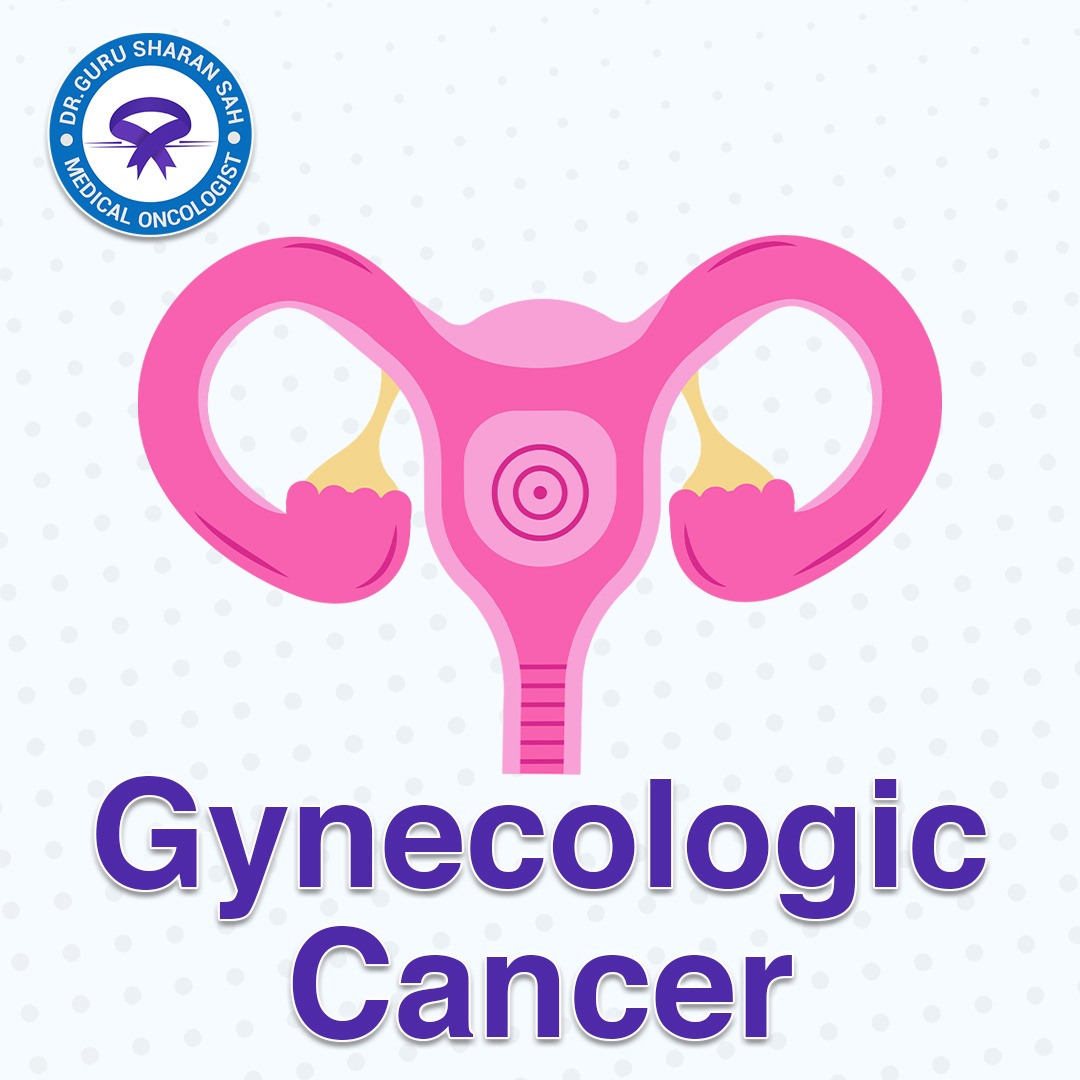
Gynecologic cancer is the type of cancer that starts in a female’s reproductive organs. It begins in different parts of the pelvis. The pelvis is the area below the stomach and in between the hip bones.  Types of gynecologic cancer There are five types of gynecologic cancer. They are discussed below: Major symptoms of ovarian cancer are: Additional signs may be: Similar to other types of cancer, depending upon the stages of cancer and the patient’s overall health, treatment options may include: Symptoms are usually seen when the abnormal cells become cancerous and invade nearby tissue. Symptoms may be as follows: If it is early detected (precancerous stage), it is treated by removing or destroying the cancerous cells with procedures like LEEP conization, cold knife conization, cryosurgery, cauterization, or laser surgery. In the case of invasive cervical cancer, surgery, radiation therapy, chemotherapy, and biological therapy are the treatments.  If cancer has spread into the uterus, a Hysterectomy is an option for treatment. FAQ:

Meaning of Chemotherapy drugs

Meaning of Chemotherapy drugs

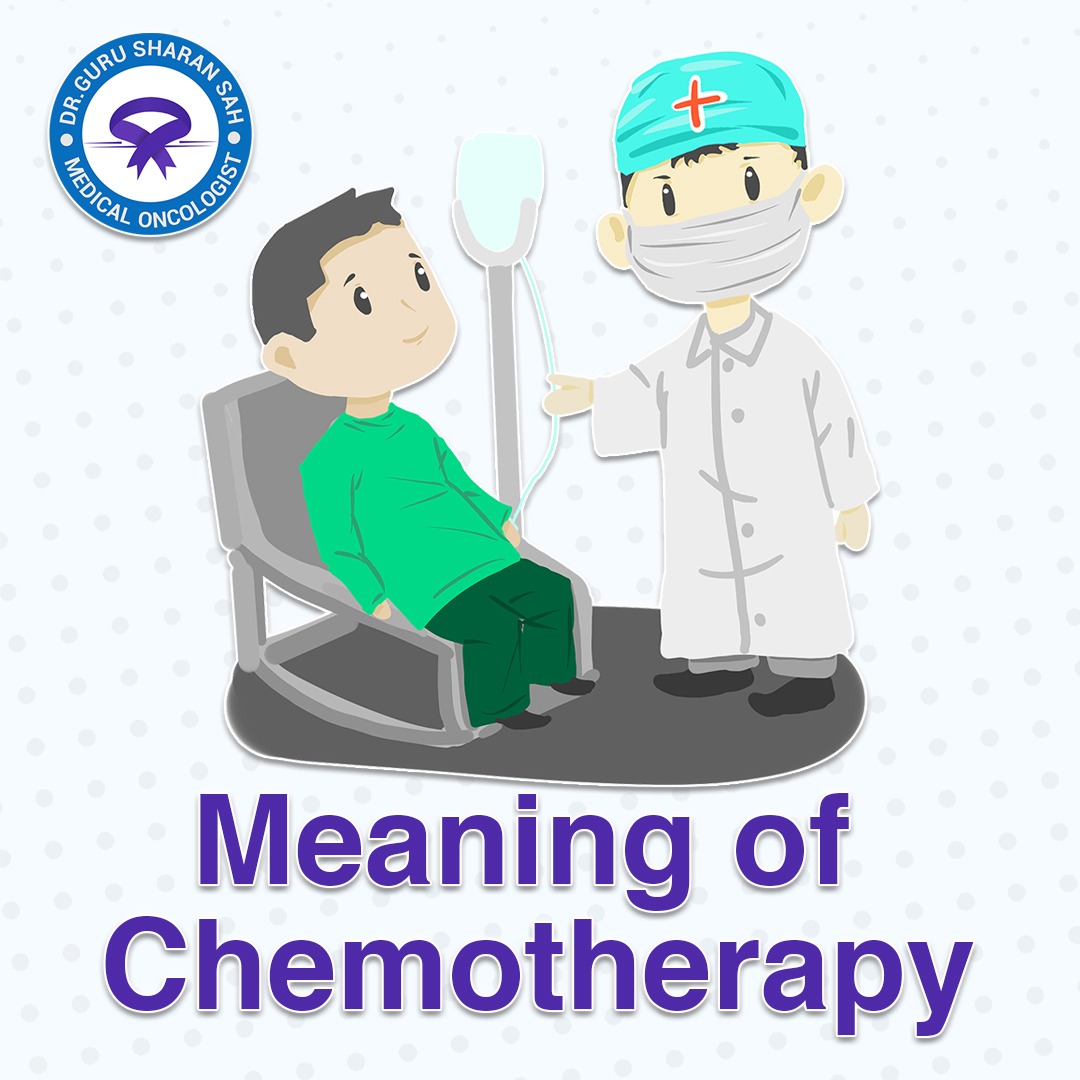
What is CHEMOTHERAPY drugs & HOW DOES IT WORK? In simple language, chemotherapy drugs use to destroy cancer cells. In this cancer treatment, oncologists use one or more anti-cancer drugs as part of a standardized chemotherapy regimen. Cancer cells usually grow and divide faster than normal cells medications work by attacking cells or by preventing the cancer cells from growing, dividing rapidly, and making more cells. It can be used alone or in combination to treat different types of cancers. WHEN IS CHEMOTHERAPY drugs USED? Oncologists use chemotherapy in different ways at different times. It can be used to: ·         Make other treatments more effective- for example, they can be combined with radiotherapy (chemoradiation) or used before surgery. This is called Neo-adjuvant chemotherapy. ·         After the surgery or radiation therapy to destroy any remaining cancer cells and reduce the risk of cancer coming back. This is called adjuvant chemotherapy. ·         Try to cure cancer completely. This is called curative chemotherapy. ·         To relieve symptoms if a cure is not possible. This is called palliative chemotherapy. ·         To treat cancers of the blood or lymphatic systems, such as leukemia, and lymphoma. ·         To treat cancer that has spread to other parts of the body which is known as metastatic cancer. ·         To treat cancer that comes back after treatment which is known as recurrent cancer. HOW IS CHEMOTHERAPY drugs GIVEN? Chemotherapy may be given in several different ways. These include: ·   Injected Chemotherapy:  The drugs are delivered with a shot directly into muscle In simple language, chemotherapy means the use of drugs to destroy cancer cells. In this cancer treatment, oncologists use one or more anti-cancer drugs as part of a standardized chemotherapy regimen. Cancer cells usually grow and divide faster than normal cells so chemotherapy medications work by attacking cells or by preventing the cancer cells from growing, dividing rapidly, and making more cells. Many different chemotherapy drugs are available. It can be used alone or in combination to treat a wide variety of cancers.in the hip, thigh, arm, or abdomen. ·         Intravenous (IV) Chemotherapy:  Many drugs require injection directly into a vein (intravenously). These drugs are given by inserting a tube with a needle into a vein in your arm or into a device in a vein in your chest. This is also called continuous infusion chemotherapy. ·         Intra-arterial (IA) Chemotherapy: The drugs are delivered directly into the artery that is feeding cancer through a needle or soft thin tube (catheter). ·         Oral Chemotherapy: Some chemotherapy drugs can be taken by mouth. They can be in a tablet, capsule, or liquid. ·         Tropical Chemotherapy: Creams or gels containing chemotherapy drugs can be applied to the skin to treat certain types of skin cancer. ·         It is used to treat one area of the body: It can be given directly to one area of the body.  In this category following chemotherapy includes: Ø  Intraperitoneal Chemotherapy: The drug is given directly in the peritoneal cavity which contains organs like the liver, intestines, stomach, and ovaries. Ø  Intrapleural Chemotherapy: The drug is given directly in the chest cavity. Ø  Intrathecal Chemotherapy: Medicine is injected into the cerebrospinal fluid (CSF), which is found in the area surrounding the spinal cord and the brain. Ø  Intravesical Chemotherapy: The drug is given through the urethra into the bladder. SIDE EFFECTS OF CHEMOTHERAPY: Unlike radiation or surgery, which targets specific areas, chemotherapy works throughout the body. So it affects other healthy cells too, like those of the skin, hair, intestines, and bone marrow. That’s what causes a range of unpleasant side effects from the treatment, such as: ·         Nausea ·         Vomiting ·         Diarrhea ·         Hair loss ·         Loss of appetite ·         Fatigue ·         Fever ·         Mouth sores ·         Pain ·         Constipation ·         Easy bruising ·         Bleeding Some chemotherapy drugs can also cause long-lasting and late-developing side effects such as: ·         Risk of second cancer ·         Peripheral neuropathy ( Nerve damage) ·         Infertility ·         Heart problems ·         Diabetes ·         Kidney problems ·         Damage to lung tissue FAQ: